
- Home
- >
- Blood Cancer And CAR T-Cell Therapy
Blood Cancer And CAR T-Cell Therapy
Liquid Cancers:
A New Era of Hope with Cell and Gene Therapies
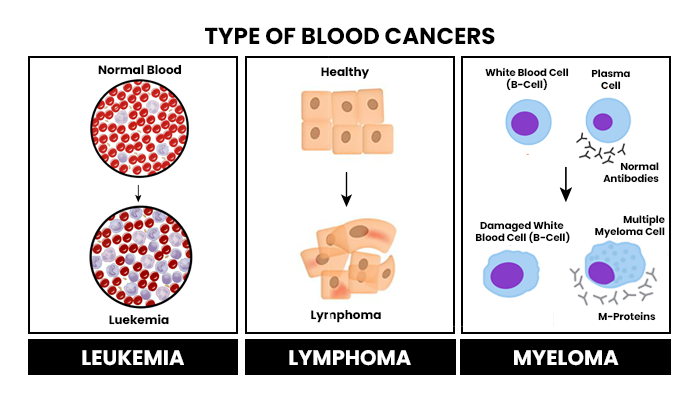
Type of blood cancer:
Leukemia – affects white blood cells, and bone marrow.
This condition generally occurs when the body produces an excess of abnormal WBCs.
- Acute Lympocytic Leukemia (ALL)
- Acute Myelogenous Leukemia (AML)
- Chronic Lymphocytic Leukemia (CLL)
- Chronic Myelogenous Leukemia (CML)
Lymphoma -Directly affects the lymphatic system, which protects against infectious diseases.
- Hodgkin’s Lymphoma
- Non-Hodgkin’s Lymphoma
Myeloma– tumor of plasma cells. This cancer prevents the production of antibodies, which causes the immune system weakening.
These cancers often progress rapidly and can be challenging to treat with traditional therapies like chemotherapy or radiation. However, a revolutionary treatment approach “ cell and gene therapy “ is changing the landscape of care for patients with blood cancer.
What is Cell and Gene Therapy?
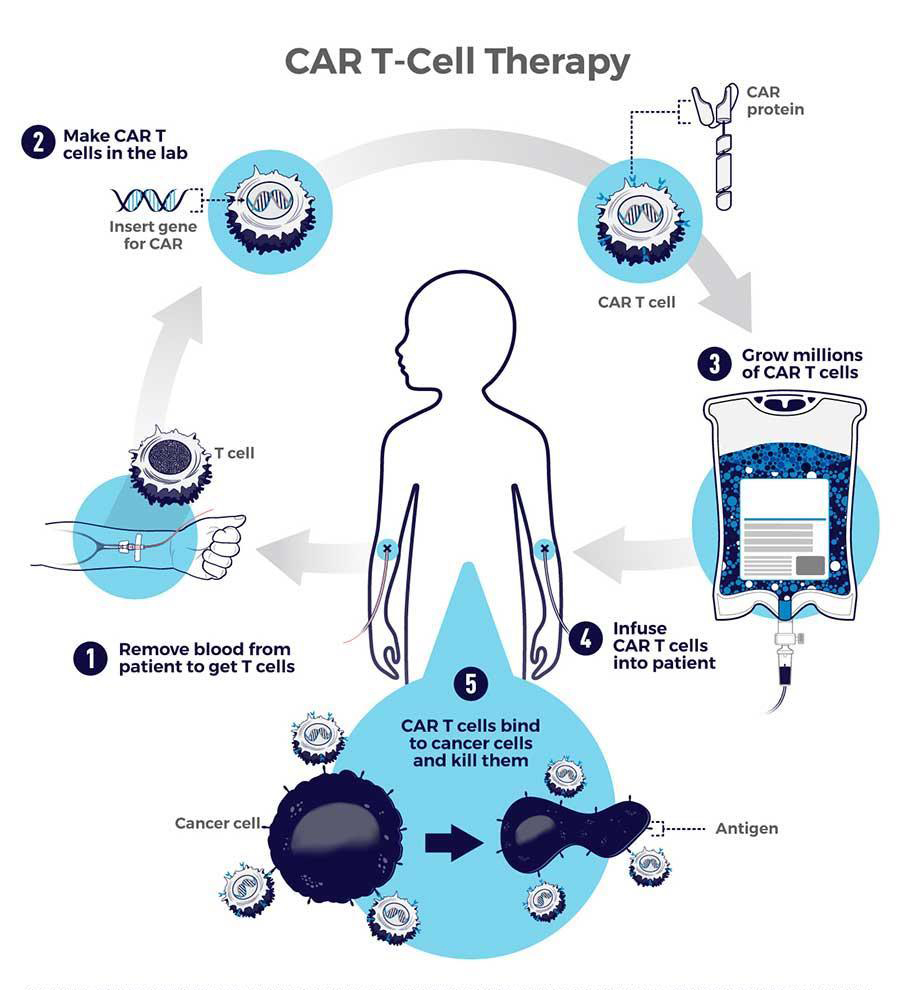
Cell and gene therapy are cutting-edge treatments that harness the power of a patient’s own immune system to target and destroy cancer cells. One of the most exciting advancements in this field is CAR T-cell therapy (Chimeric Antigen Receptor T-cell therapy).
How CAR T-Cell Therapy Works
CAR T-cell therapy uses a patient’s own immune cells (T-cells), genetically modifying them to recognize and attack cancer cells. The T-cells are engineered in a lab to express receptors, called CARs, that can specifically target cancer cells.
How CAR T-Cell Therapy Works
CD19 and CD20: CAR T-cell therapies targeting CD19 and CD20 have been highly effective in treating B-cell lymphomas and leukemias. These proteins are found on the surface of cancerous B-cells, and by targeting them, CAR T-cells can specifically eliminate the cancer without harming healthy cells.
BCMA (B-cell Maturation Antigen): For patients with multiple myeloma, CAR T-cell therapy targeting BCMA offers a new treatment option. BCMA is found on the surface of malignant plasma cells, and by directing CAR T-cells to this marker, the therapy can significantly reduce or even eliminate cancerous cells.
Why Cell and Gene Therapy is a Game-Changer
Cell and gene therapies, particularly CAR T-cell therapy, offer several advantages over traditional cancer treatments:
- Personalized Treatment: Each therapy is tailored to the individual, using their own immune cells to fight the cancer.
- Long-Lasting Results: CAR T-cells can persist in the body for months or even years, providing ongoing protection and reducing the chance of relapse.
- High Success Rates: Clinical trials have shown impressive remission rates in patients with difficult-to-treat blood cancers, offering new hope to those who have exhausted other treatment options.
Looking Toward The Future
As research and innovation in the field of cell and gene therapy continue to evolve, more targeted and effective treatments for blood cancers are becoming available. Researchers are working on overcoming current limitations, such as managing side effects like cytokine release syndrome (CRS), improving the durability of responses, and expanding the use of these therapies to earlier stages of cancer treatment.
Cell and gene therapies, especially CAR T-cell therapy, are revolutionizing the treatment of blood cancers. These therapies offer hope to patients who may not have responded to traditional treatments, providing personalized, targeted, and potentially curative options.